News and Views From my kids accomplishments, to my heretical perspective of the world

January 27, 2014

Shower Ladybug

Filed under: Computers, Tech & Science,Family Updates — Daryl @ 9:50 am

Our bathroom shower is just about as far from the water heater as it could be. When taking a shower, we turn on the hot water and then go do something else while we wait 1-2 minutes for the hot water to make it through the pipes. But it’s hard to guess when the water is getting hot unless we frequently open the door and feel it. If we wait too long, we waste hot water.

I recently installed a Ladybug Shower Head Adapter from Evolve.
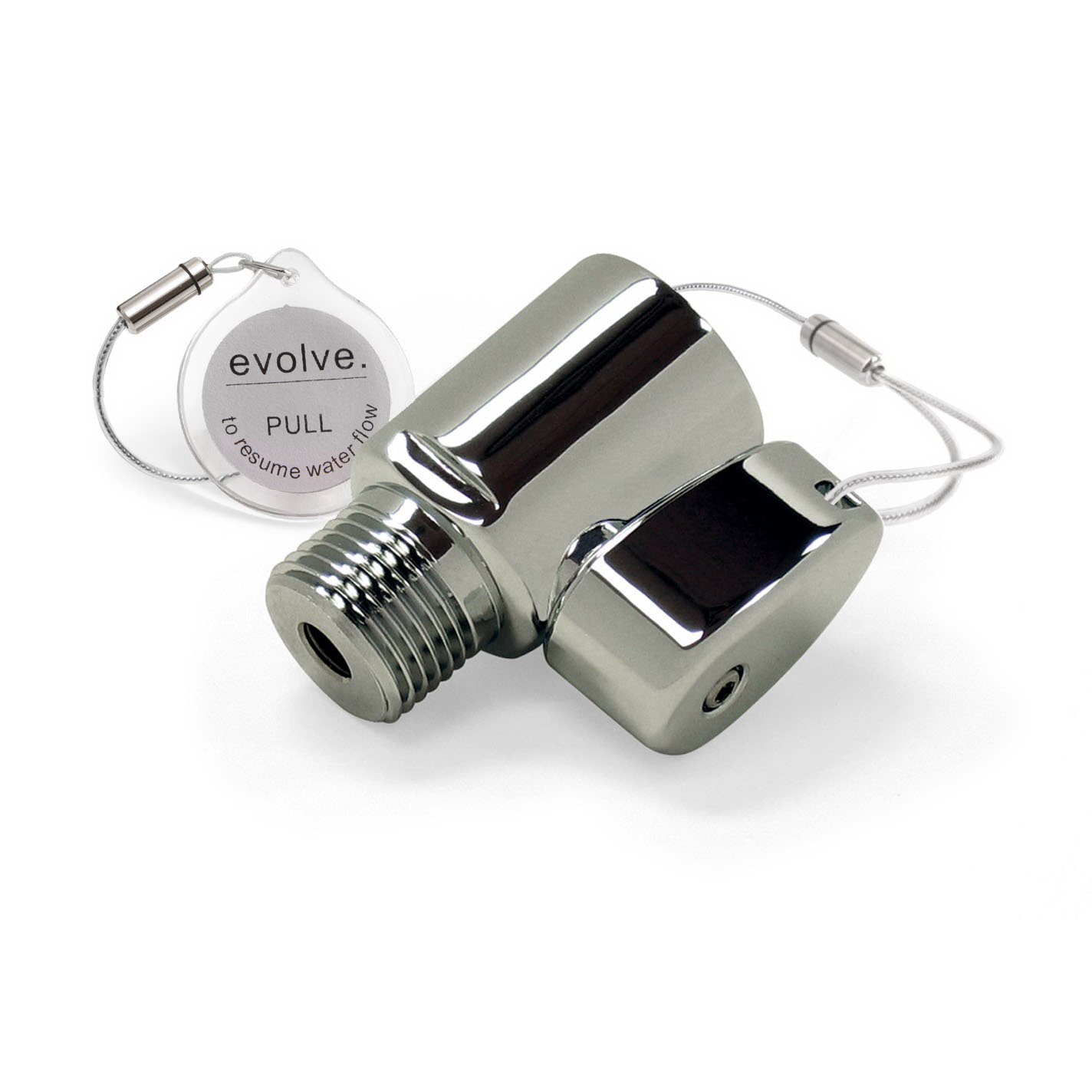
Ladybug

With this clever gadget in place, we turn on the hot water and then go do something else (brush teeth, get undressed, etc.). When the water gets hot the Ladybug shuts the flow down to a small trickle, just enough to keep the water hot but minimizing the waste. We can easily hear the change in flow and when we are ready we open the door, pull the tab hanging from the shower head, and immediately the water returns to full flow. If we can’t come right away, only a little hot water gets wasted.

At $25 it will probably take a long time to save enough hot water to pay back, but I like the convenience, energy savings and that we ensure enough water is left for the next person.

January 21, 2014

Ninite!

Filed under: Computers, Tech & Science — Daryl @ 6:48 pm

There’s a very useful webpage, ninite.com. Put a checkmark next to all the programs you have installed on your computer, click “Get Installer”, and the page will download and install all updates. It even makes sure to leave out the add-ons so many programs like to include, such as the despicable Ask bar, or McAfee Scanner.

Many of my favorite programs are listed, including OpenOffice, 7-Zip, VLC, CDBurnerXP, Faststone, and many others. Everything I’ve read about it gives Ninite thumbs up for safety. There’s a Pro version that keeps things updated without having to check in periodically, but I think the free version is just fine.

It works best if you exit all running programs when you start, since some programs cannot be updated while they are running.

January 4, 2014

Physics Misconceptions

Filed under: Computers, Tech & Science — Daryl @ 12:02 pm

How do airplanes fly?
I was taught in high school that the reason a wing provides lift is because the top is curved more than the bottom and that the air flowing faster over the top has less pressure. There is some truth to that, but the major source of lift is angle of attack, the front of the wing being higher than the rear. As a child I experimented with this effect by sticking my hand out the window of a moving car and noticing how the air would strongly push my hand up or down depending on how I positioned it. The curved top of a wing helps to smooth out the airflow and reduce turbulence and drag, but has a smaller effect on lift. If you doubt this, then consider how a plane can fly upside down. It’s not quite as efficient because the airfoil is working against you, but angle of attack easily counteracts that.

Why does a meteor burn up?
We frequently hear that a meteor or re-entering spacecraft heats up because of “friction” with the air. It’s true that the object moving through the air will generate some heat from the air rubbing against its sides, but most of the heat is generated by the air being compressed in the front (i.e. “Ram Pressure“). As the meteor enters the atmosphere, air in front is unable to move out of the way as quickly as the meteor is falling, and the air gets extremely compressed. Compressing a gas raises its temperature. Think about where the heat shield is on the old Mercury or Apollo capsules: On the bottom surface that leads its descent. The sides of the capsule are much less insulated because the air flowing over the sides adds little heat.

Goodbye Incandescents

Filed under: Computers, Tech & Science,Opinion — Daryl @ 11:26 am

Starting January 1, 2014 it is now illegal to manufacture or import incandescent light bulbs in the US.

Actually, the law (signed by George W. Bush) doesn’t specifically state incandescents. It just sets a maximum wattage to produce a given amount of light, from 40 to 100 watt equivalents, and there are many loopholes for appliance, 3-way, reflector, rough service and decorative bulbs. There are also incandescent halogen bulbs that meet the standards, but given price, longevity and performance it probably makes more sense to go with CFL or LED bulbs for most applications.

I’ve started converting my whole house to LED bulbs, gradually replacing the incandescent and CFL bulbs as they burn out. The data I have collected over 15 years shows that CFL bulbs actually do last much longer than incandescent bulbs, and my early data shows that LEDs last at least as long (I won’t know for sure until some burn out). CFLs continue to be cheaper than LEDs, but LEDs come on instantly to full brightness, contain no mercury and I like the color better. The one advantage of CFLs is the relatively soothing ramp up in brightness in the early morning that lets my eyes adjust.

I’m sure some will complain about the “nanny state”, or government tyranny, but I think the improvements in energy conservation will be worth the inconvenience. The American Council for Energy Efficient Economy states that the average household uses 5 – 10% of their electricity for lighting, spending $50 – $150 per year, and that doesn’t include the added air conditioning costs in the summer to remove the excess heat (though admittedly some of that heat will reduce heating costs in the winter).

GE has some good information about the change here.

Powered by WordPress